Provincial Standards Guiding the Operation of Table Games in Alberta's Urban Casinos
Greta Keller · Sep 20, 2026
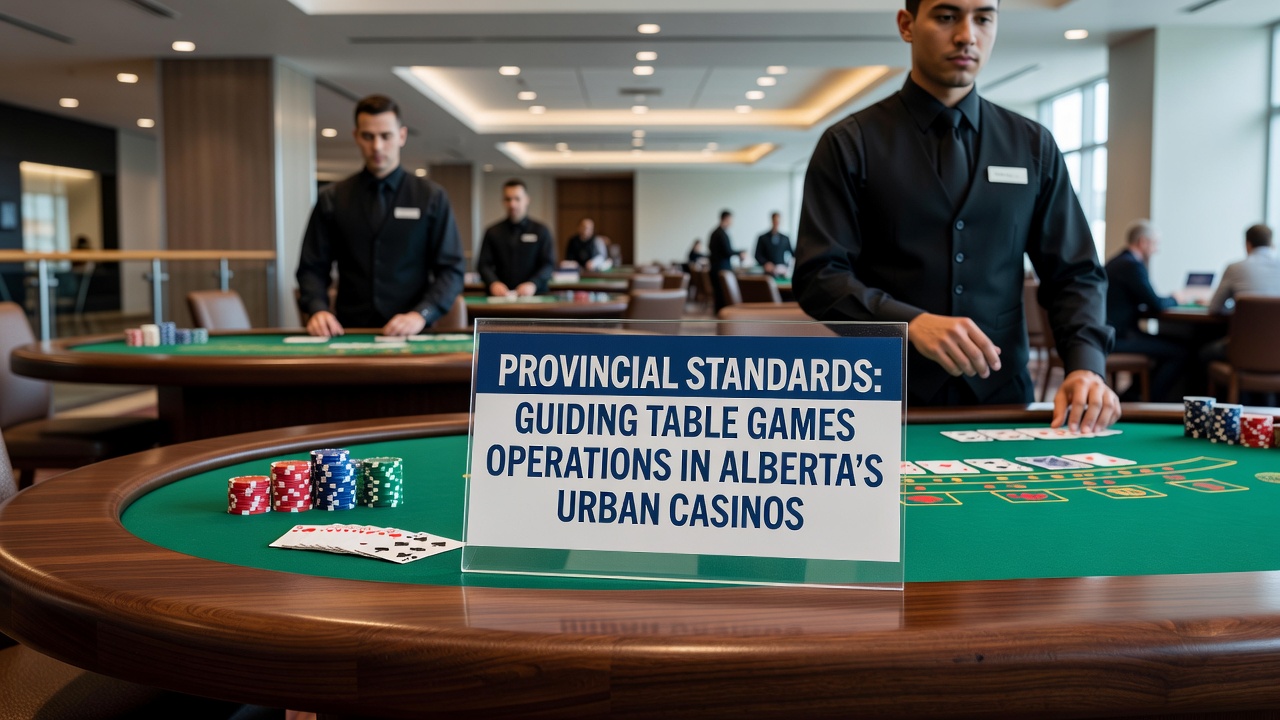
Provincial Standards Guiding the Operation of Table Games in Alberta's Urban Casinos
Alberta's urban casinos operate under a detailed set of provincial standards administered by the Alberta Gaming, Liquor and Cannabis Commission, which establishes rules for table games such as blackjack, roulette, baccarat, and poker variants in facilities located in cities including Calgary and Edmonton. These standards cover dealer procedures, equipment specifications, payout ratios, and surveillance requirements while ensuring consistent application across all licensed venues. The framework draws from the Gaming, Liquor and Cannabis Act along with supporting regulations that define operational boundaries for both land-based and hybrid gaming environments.
Core Regulatory Framework
The Alberta Gaming, Liquor and Cannabis Commission issues specific directives that outline minimum staffing levels, table minimum and maximum bet limits, and card shuffling protocols for all urban casino operators. These directives require casinos to maintain detailed logs of game outcomes and to submit periodic reports that verify compliance with fairness metrics established at the provincial level. Operators must also adhere to standardized training programs for dealers and pit bosses that emphasize accurate rule enforcement and conflict resolution procedures during live play.
Equipment standards mandate the use of approved playing cards, roulette wheels, and chip sets that undergo regular calibration checks by certified technicians. Each casino submits equipment inventories to the commission on a scheduled basis, and any deviation from approved specifications triggers an immediate review process. This approach maintains uniformity across venues while allowing individual properties to customize certain aspects of their gaming floors within defined parameters.
Standards for Specific Table Games
Blackjack operations follow strict guidelines on deck penetration, doubling rules, and insurance payouts that align with provincial fairness benchmarks. Roulette tables must use wheels that meet precision tolerances for ball drop and pocket distribution, with daily verification procedures documented in operational logs. Baccarat and poker rooms operate under separate but complementary rules that address side bet structures and player banking arrangements where permitted.
These game-specific standards receive periodic updates based on data collected from compliance audits and incident reports submitted by casino security teams. In September 2026 the commission introduced revised inspection intervals for electronic card shufflers used in multi-deck blackjack games, requiring additional verification steps to address emerging technology integration concerns across urban properties.
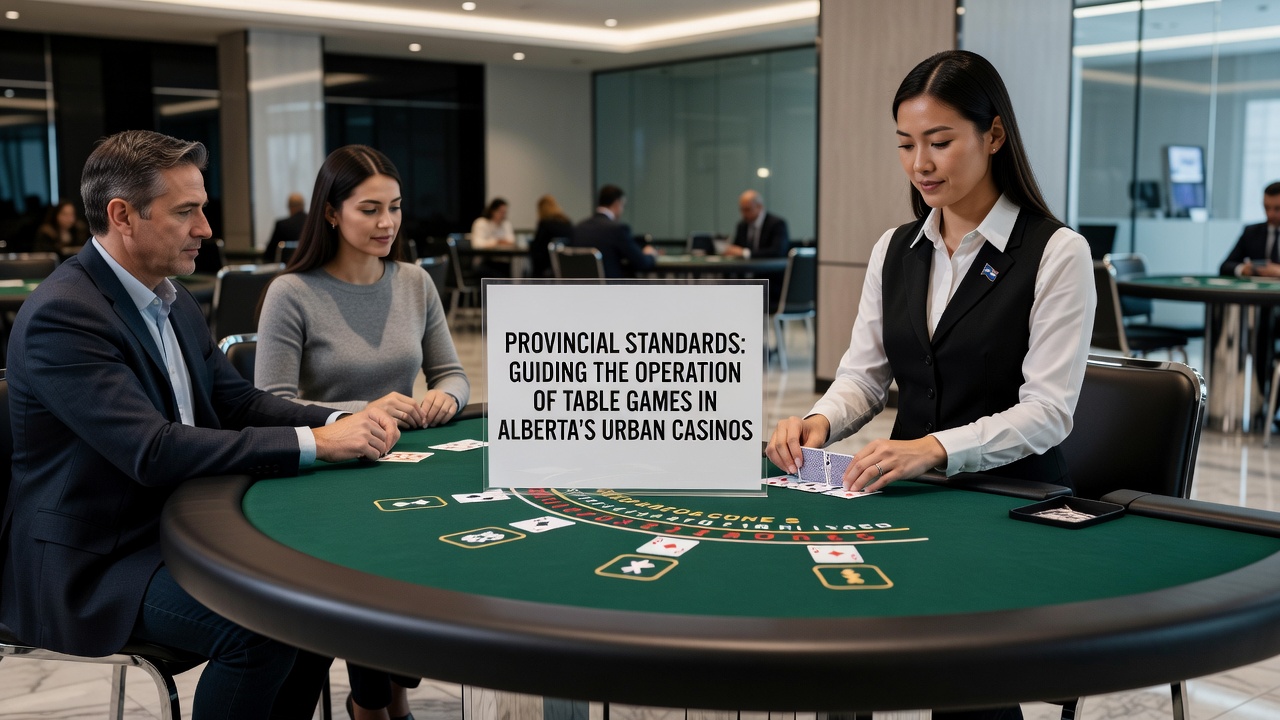
Compliance Monitoring and Enforcement
Provincial inspectors conduct unannounced visits to urban casinos to observe table game operations in real time and to review surveillance footage against documented procedures. Violations of standards result in graduated penalties that range from written warnings to temporary table closures or license suspensions depending on severity and recurrence patterns. Casino management teams receive detailed compliance scorecards that track performance across multiple categories including dealer accuracy and equipment maintenance.
Third-party auditors occasionally supplement internal commission reviews by examining financial reconciliation processes tied to table game revenues. These audits cross-reference player tracking data with actual table outcomes to identify discrepancies that could indicate procedural lapses. Findings feed into broader policy adjustments issued by the commission to strengthen oversight mechanisms.
Integration with Broader Gaming Policies
Table game standards connect directly to Alberta's overall responsible gaming initiatives that require casinos to display clear signage about betting limits and available support resources near gaming areas. Staff training modules incorporate these elements alongside technical game rules so that employees can respond consistently when players seek assistance during sessions. Data collected from these interactions contributes to annual reports that the commission shares with other Canadian regulatory bodies for comparative analysis.
Urban casino operators coordinate with the commission on technology upgrades that affect table game integrity, such as the deployment of automated card recognition systems. Each proposed system undergoes a formal approval process that evaluates both security features and compatibility with existing provincial monitoring platforms. This coordinated approach helps maintain consistent standards while accommodating incremental improvements in operational efficiency.
Conclusion
Provincial standards for table games in Alberta's urban casinos establish a structured environment that emphasizes consistency, transparency, and measurable compliance across all regulated venues. Through ongoing audits, equipment verification, and targeted updates such as those implemented in September 2026, the Alberta Gaming, Liquor and Cannabis Commission sustains a framework that supports both operational integrity and public confidence in casino gaming. Additional reference material appears on the Alberta Gaming, Liquor and Cannabis Commission site and in research summaries published by the Responsible Gambling Council.